Introduction
The administration of stomas and ostomies is an essential aspect of health care that needs specialized understanding and training. As medical care professionals, it's necessary to outfit ourselves with the best methods in stoma and ostomy education. With a boosting variety of clients undergoing treatments that result in a stoma, understanding the subtleties of ostomy care is essential for providing top quality patient treatment. This post will certainly look into comprehensive approaches, educational needs, and useful techniques that can boost our competencies in this field.
Best Practices in Stoma and Ostomy Education for Medical Care Professionals
Stomas are surgically developed openings on the abdomen that allow waste to leave the body when regular digestive tract or urinary function is not possible. Recognizing what a stoma is-- along with its effects-- develops the structure of effective ostomy care. To provide optimal look after people living with a stoma, healthcare specialists need to undertake detailed training, such as stoma treatment training for carers, ndis complex bowel care training, and complex bowel treatment courses
What Is a Stoma?
A stoma is a surgically created opening from an area inside the body to the outside environment. There are numerous types of stomas:
- Colostomy: Developed from the huge intestine (colon). Ileostomy: Created from the little intestinal tract (ileum). Urostomy: Diverts urine far from an unhealthy bladder.
Each kind has special treatment requirements, highlighting the demand for specialized education.
What Is an Ostomy?
An ostomy refers to any type of operation that creates an opening (stoma) in the body, allowing waste elimination. It can be short-lived or permanent, relying on the hidden clinical condition. This necessitates tailored education and learning programs targeting both doctor and patients.
Importance of Stoma Care Training
Training in stoma care gears up healthcare experts with important skills required for effective individual monitoring. A durable understanding makes it possible for practitioners to show patients regarding:

The Duty of Education and learning in Digestive Tract Treatment Management
Education bordering bowel care management is crucial for fostering self-reliance amongst clients with ostomies. It includes mentor skills related to:
- Dietary adjustments Medication management Regular follow-ups with healthcare providers
NDIS Complex Bowel Care Training
The National Disability Insurance policy Scheme (NDIS) provides https://postheaven.net/kylanaybgl/supporting-clients-with-complicated-requirements-with-specialized-bowel-care specific training programs focused on complex bowel care needs. This includes:
- Assessing individual client needs Tailoring interventions based on certain conditions Supporting caretakers via structured educational modules
Comprehensive Overview of Stoma Care Courses
Various organizations use stoma care training courses, which usually cover:
Anatomy and physiology pertinent to ostomies. Practical methods for altering bags. Troubleshooting usual issues. Strategies for emotional support.These courses ensure that health care specialists have well-rounded knowledge appropriate to real-life situations.
Complex Digestive tract Treatment Program Insights
Professionals carrying out complex bowel care courses obtain understandings right into handling intricate cases entailing numerous wellness conditions like:
- Inflammatory digestive tract condition (IBD) Cancer-related surgeries Congenital abnormalities
This certain training helps recognize special difficulties faced by these people and supplies approaches to alleviate threats effectively.
Caring for an Ostomy: Ideal Practices
Caring for an ostomy surpasses plain technicalities; it involves compassion, persistence, and proactive engagement with clients' needs:
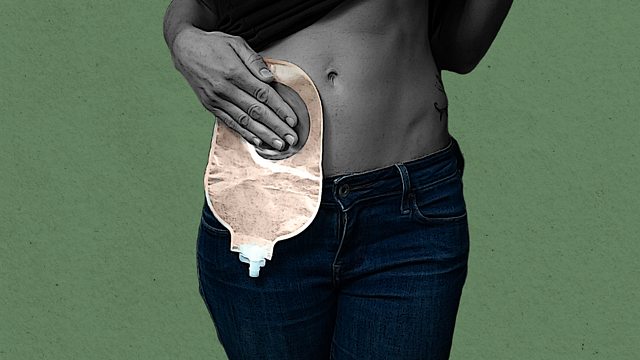
Best Practices in Stoma and Ostomy Education And Learning for Health Care Professionals
To guarantee effective outcomes, here are some best techniques every health care specialist need to embrace:
1. Stay Updated on Most Recent Research
Continuous knowing with workshops, seminars, and upgraded literary works keeps professionals educated about innovations in ostomy technology.
2. Engage Multidisciplinary Teams
Collaboration amongst surgeons, nurses, dietitians, and psychological health experts cultivates alternative person care.
3. Utilize Client Resources
Providing clients with easy-to-understand sources aids understanding of their problem and encourages them to take charge of their health journey.
4. Urge Peer Assistance Groups
Facilitating connections between individuals can produce encouraging neighborhoods where shared experiences help reduce feelings of isolation.
Key Abilities Required for Effective Ostomy Management
Healthcare professionals ought to grow particular crucial abilities throughout their training programs:
Clinical Skills
Understanding composition pertaining to ostomies allows specialists to deliver accurate assessments.
Communication Skills
Being able to connect effectively makes certain that clients feel heard and understood regarding their concerns related to ostomy management.
Emotional Intelligence
Recognizing psychological distress in patients aids tailor supportive treatments during tough times post-surgery.
Common Difficulties in Stoma Care Management
Despite best efforts, difficulties arise regularly throughout patient management concerning their stomas:
1. Skin Complications
Patients often experience skin irritations around the stoma website as a result of incorrect suitable or allergic reactions to appliances used.
Prevention Strategies:
- Educate on appropriate application techniques. Recommend skin obstacle products as needed.
2. Nutritional Adjustments
Post-operative dietary changes can lead individuals toward nutritional deficiencies otherwise handled correctly.
Practical Suggestions:
Guide clients through preserving well balanced diet regimens while avoiding foods recognized to cause pain or blockages.
FAQs on Stoma Care Training
Q1: What need to I consist of in my stoma care training curriculum? A1: A thorough educational program should cover makeup pertaining to stomas, functional bag changing strategies, troubleshooting usual problems, dietary modifications, emotional assistance techniques, and recurring evaluation protocols.
Q2: Why is emotional support critical in ostomy education? A2: Numerous individuals face significant psychological obstacles after obtaining an ostomy; offering mental support with therapy or colleagues can significantly boost their quality of life post-surgery.
Q3: Just how frequently ought to I upgrade my understanding pertaining to stoma care? A3: Routinely going to expert development programs at the very least once a year is suggested; however, remaining educated about brand-new research continually is similarly important.
Q4: What sources are available for caretakers taking care of someone with a stoma? A4: Numerous on the internet systems provide guides especially created for caregivers; in addition, regional support system can supply indispensable peer networks sharing practical ideas based upon lived experiences.
Q5: Are there specialized qualifications readily available focusing on ostomy education? A5: Yes! Numerous organizations provide certifications that focus particularly on wound/ostomy continence nursing (WOCN), which enhances credibility within this specialized domain significantly!
Q6: Can innovation help in taking care of complex bowel conditions? A6: Definitely! Arising innovations such as telehealth assessments help with regular monitoring while additionally improving accessibility to professional suggestions throughout treatment plans tailored distinctively per person's needs!
Conclusion
In conclusion, implementing best methods in stoma and ostomy education and learning is essential for boosting health care outcomes throughout diverse individual populaces encountering these problems daily! Via well-designed educational frameworks incorporating academic knowledge together with practical applications tailored towards real-world circumstances-- healthcare providers can confidently help those browsing life post-surgery while guaranteeing they retain control over their wellness trips moving on! By involving actively within multidisciplinary groups while constantly updating our skills with proceeded professional development chances-- we lead paths towards enhanced quality-of-life end results throughout all spectrums included within this vital area of patient-centered medical technique today!